
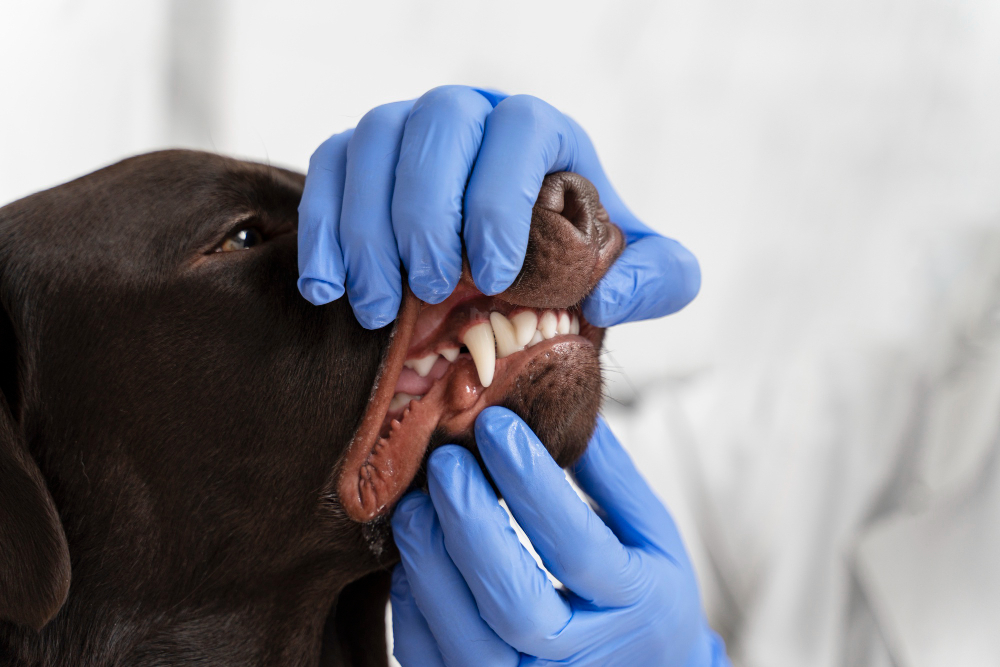
Advanced Dental Surgery for Pets
Dental surgery is essential for treating conditions that affect your pet's comfort, eating ability, and overall health. From complex extractions to oral tumor removals, our surgeons at Animal Surgical Care of PA provide advanced dental solutions that go beyond routine cleanings.
Using high-resolution dental radiographs, we identify disease beneath the gumline, such as root abscesses, resorptive lesions, and jawbone involvement, that may not be visible during a basic exam. In more severe cases involving jaw trauma, our dental team may coordinate with our fractured jaw repair program for a complete treatment plan.
Our surgical suite is equipped with specialized dental instruments and monitoring systems to ensure safe anesthesia and effective pain control. Local nerve blocks and multimodal analgesia help your pet remain comfortable during and after the procedure.
For pets with oral masses or trauma, our surgeons perform reconstructive procedures to restore function and appearance, coordinating closely with referring veterinarians and pet owners for long-term oral care and follow-up.
After dental surgery, most pets show remarkable improvement in appetite, behavior, and comfort. We provide comprehensive aftercare instructions, including medication, diet, and follow-up imaging as needed. If your pet is showing signs of dental pain or difficulty eating, contact Animal Surgical Care of PA at (484) 886-8612 to schedule an evaluation.
Dental Surgery Frequently Asked Questions
What types of dental surgery do pets typically need?
Pets may need surgery for fractured teeth, severe periodontal disease, oral tumors, root abscesses, or trauma, including complex extractions and reconstructive procedures.
Why are dental radiographs important during surgery?
High-resolution radiographs reveal disease hidden beneath the gumline, including root infections and jawbone involvement, guiding accurate treatment planning.
How is anesthesia managed during dental surgery?
Advanced monitoring, local nerve blocks, and multimodal pain control are used to ensure safe anesthesia and comfort.
Can pets receive reconstructive dental surgery?
Yes, reconstructive procedures can restore chewing function, comfort, and appearance for pets with trauma, defects, or masses.
What should I expect after my pet's dental surgery?
Most pets show rapid improvement in comfort and appetite, with aftercare including medication, diet adjustments, and follow-up imaging when needed.
How often should pets have dental exams to catch problems early?
Annual dental exams, or more frequent checks for pets prone to periodontal disease, help catch issues before they require extensive surgery.