
Tumor Removal Surgery
Tumor removal is one of the most common yet vital surgeries we perform at Animal Surgical Care of PA. Whether benign or malignant, tumors can affect your pet's comfort, mobility, or internal organ function. Our team provides complete surgical oncology services with precision and care.
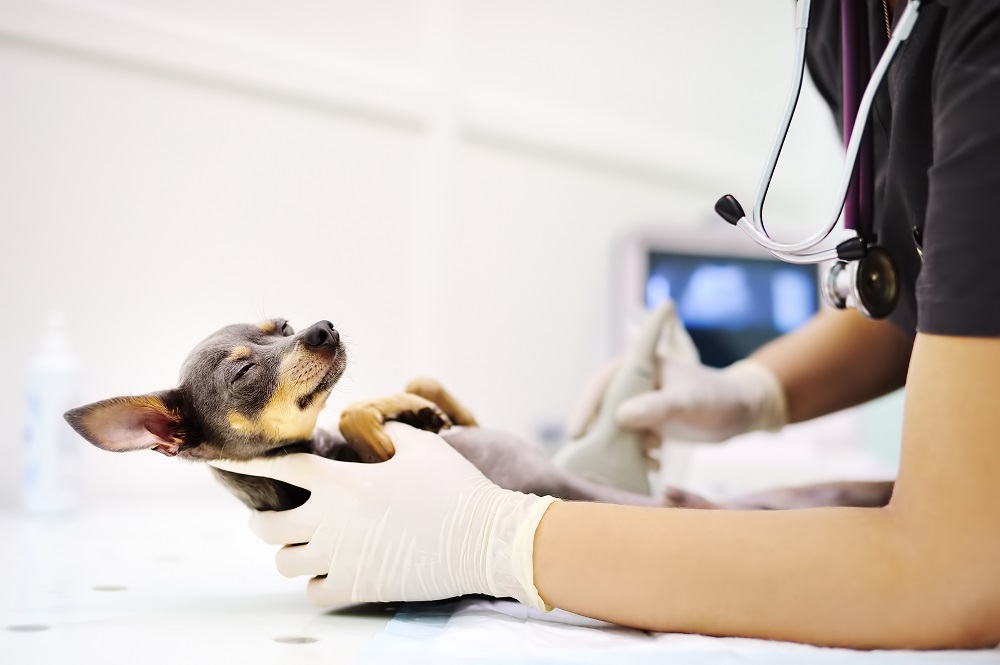
Each case begins with diagnostic imaging, such as X-rays, ultrasound, or CT scans, to determine tumor location, size, and possible spread. We collaborate closely with referring veterinarians to design an individualized surgical plan for every patient.
During surgery, our focus is complete tumor excision with clean margins to minimize recurrence. When necessary, we also perform reconstructive techniques to restore natural appearance and function, and for internal tumors we utilize minimally invasive or open surgical approaches depending on your pet's needs, at times paired with exploratory surgery.
Pain control, sterile technique, and advanced anesthetic monitoring ensure safety and comfort from start to finish. After tumor removal, we may recommend biopsy or histopathology to confirm diagnosis and guide any additional treatment.
Our compassionate team helps you understand your pet's prognosis and recovery plan. If you've noticed a new lump or growth on your pet, contact Animal Surgical Care of PA at (484) 886-8612 to schedule an evaluation.
Pet Tumor Removal Surgery FAQs
When is tumor removal surgery recommended for pets?
It's recommended when a growth affects comfort, mobility, or organ function, whether benign or malignant.
How is a tumor evaluated before surgery?
Imaging such as X-rays, ultrasound, or CT scans evaluates size, location, and potential spread.
What happens during tumor removal surgery?
The goal is complete excision with clean margins, sometimes including reconstructive techniques.
Are internal tumors treated differently than surface tumors?
Yes, internal tumors may require minimally invasive or open surgical approaches depending on the organ involved.
Will the tumor be tested after removal?
Removed tissue is typically sent for biopsy or histopathology to confirm diagnosis.
What is recovery like after tumor removal surgery?
Recovery varies by tumor type and location, supported by pain management and follow-up visits.